
By Global Travel Worldwide
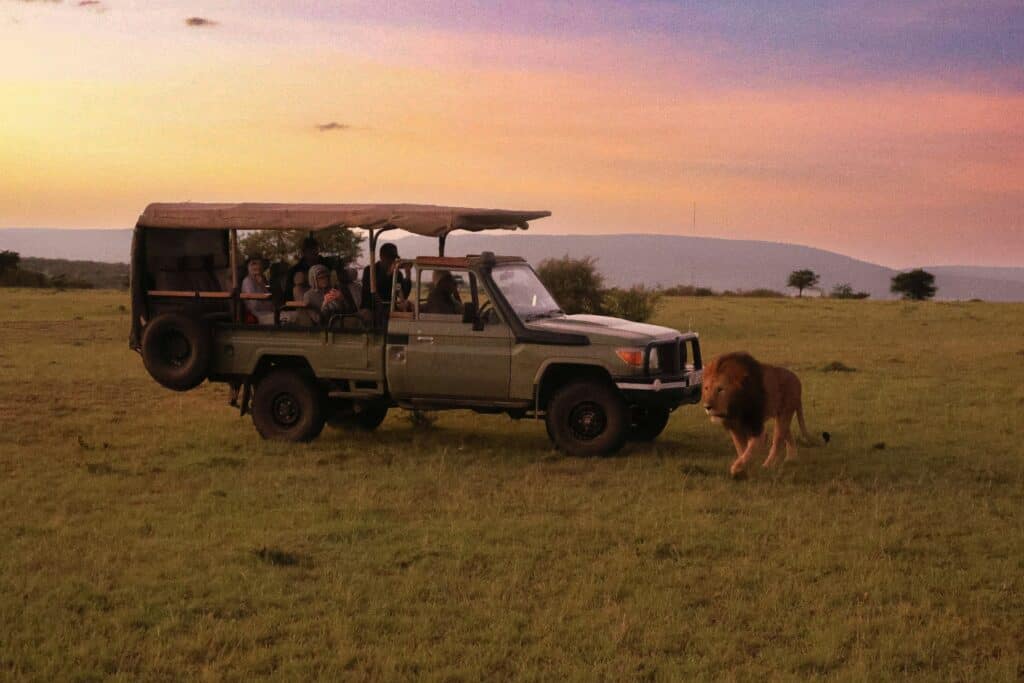
The word luxury has been stretched so far in travel that it has almost stopped meaning anything. Every camp website uses it. Every brochure promises it. What clients sometimes discover, after they have spent a considerable amount of money, is that luxury covers an enormous range of actual experiences. A genuinely exceptional camp where the guide has two decades of field knowledge is a very different thing to a property with a plunge pool and average guiding that happens to charge a similar nightly rate.
Knowing what to look for before you book saves you from that disappointment.
The guide is more important than the camp.
I will say this plainly because not enough people in this industry say it: the camp itself is secondary to the quality of your guide. A brilliant guide in a modest camp will give you a far better safari than a mediocre guide in a beautiful one.
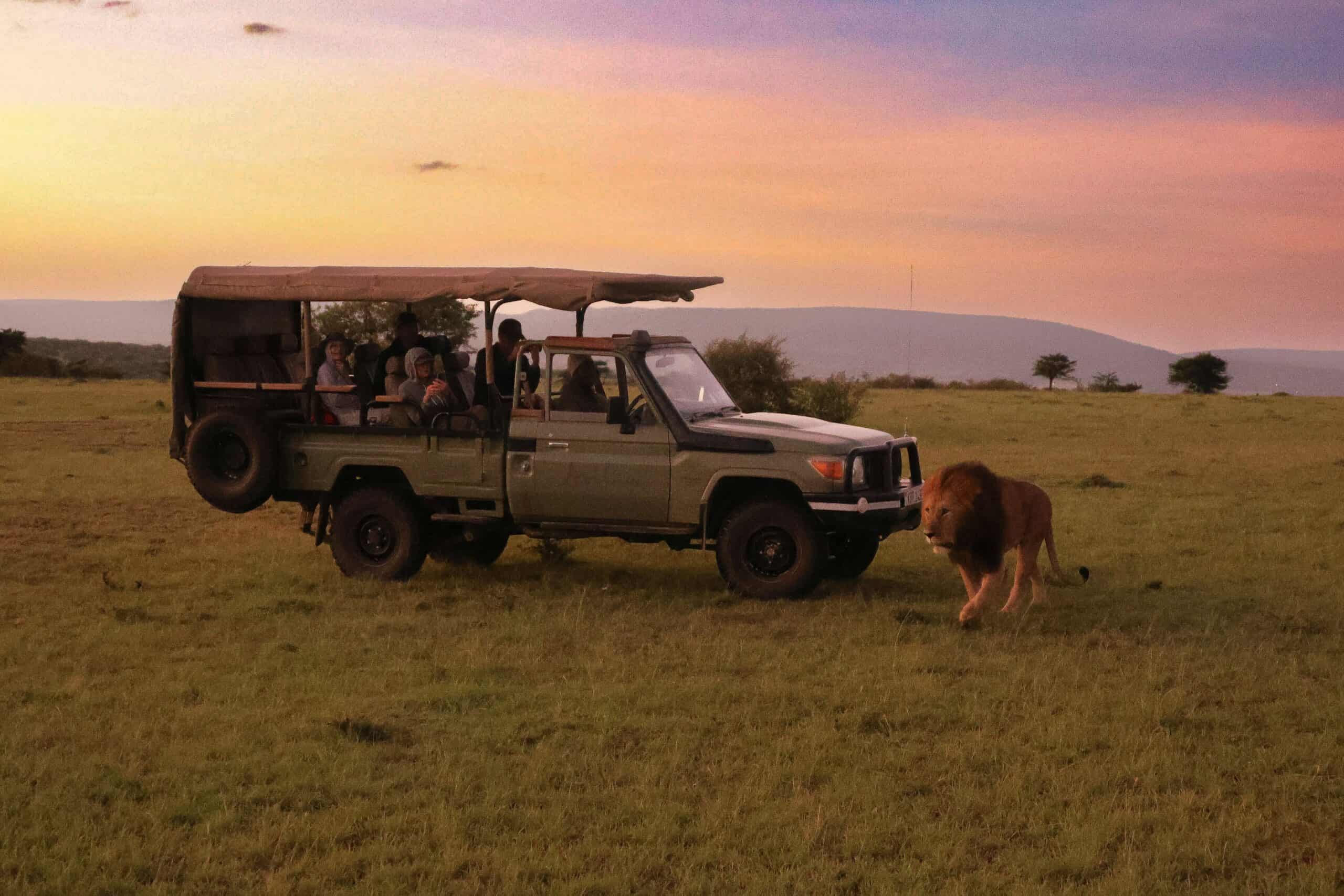
The best guides in the Serengeti and the Masai Mara have spent their entire working lives on these specific plains. They read animal behaviour in ways you cannot learn from books. They know which direction a leopard is moving by watching how the impalas are reacting. They know where the lion pride will have moved to by mid-morning based on where it was at dawn. They know when to stay and when to go. They know when to say nothing.
When we place clients in specific camps, we ask about guiding quality through direct conversations with people who have been on the ground recently, not through review platforms. It matters more than the quality of the mattress or the size of the bath.
Private vehicles versus shared game drives.
Many camps, including some that position themselves as luxury properties, run shared game drives. A vehicle carries six or more guests, the guide’s attention is divided, and the experience is shaped by what the group collectively decides. That is fine for some travellers. But it is not the same as having your own vehicle and your own guide.
With a private vehicle, you stay at a sighting for as long as you want. You stop where you want. You do not have to wait for five other people to be ready. If your guide has a hunch about something a mile away, you can go and check it. The difference in quality is significant, and the best luxury camps either include a private vehicle as standard or offer it as a genuine option rather than an afterthought.
Where the camp sits within the ecosystem.
Not all camps are equally positioned, and position changes everything depending on when you are visiting.
In the Masai Mara, a camp inside the main national reserve operates under different rules to one in a private conservancy. Conservancy camps in Olare Motorogi, Mara North or Naboisho benefit from strict vehicle limits. When you find lions on a kill in a conservancy, you are likely to be the only vehicle watching. Inside the main reserve, you may be one of ten or fifteen.
In the Serengeti, a camp in the northern corridor near the Mara River is the right choice from July onwards for migration crossings. A camp near Ndutu in the south is where you want to be for calving season. The central Seronera region offers the strongest resident wildlife year round. These are meaningfully different experiences, and the right choice depends entirely on your travel dates and priorities.
What all-inclusive actually covers.
Luxury safari rates are almost always described as all-inclusive, but the definition of all varies considerably. Most high-end camps include accommodation, all meals, twice-daily game drives and house drinks as standard. Some include conservancy and park fees, which are substantial. In the Masai Mara, park fees in peak season run to around $200 per person per day. Some camps include return flights from Nairobi. Some include specialist activities such as hot-air balloon safaris or guided walks.
What is frequently excluded even at the top end: premium wines and spirits above the house selection, balloon safaris if not specifically stated, spa treatments and gratuities. We give every client a clear picture of likely total spend before they commit, so there are no surprises at the end of the trip.
Smaller camps deliver a better experience.
The best luxury camps in East Africa carry eight to twelve guests at most. This is not just a marketing position. It is operationally significant. A smaller camp means a better staff-to-guest ratio, more personal service, greater scheduling flexibility and a dining experience that feels nothing like a restaurant. You are sitting with a small group of people who have all had the same extraordinary day, and the conversation that follows is generally very good.
When we assess a property for the first time, camp size is one of the first things we look at.
For more information call us today on 01978 350850