

By Global Travel Worldwide
A first safari in East Africa is, for most people, genuinely unlike any other trip they have taken. The landscapes, the wildlife, the sheer scale of the place tend to exceed expectations even for very experienced travellers. But there are practical realities that the brochures do not cover, and knowing them in advance makes the experience considerably smoother.
What follows is the advice I give to clients before their first visit to the Serengeti or the Masai Mara. It comes from forty years of arranging these trips, from direct conversations with guides and camp managers, and occasionally from calls I receive mid-trip from people who were not quite prepared for something.
Fly in. Do not drive if you can avoid it.
Both destinations can be reached by road from Nairobi. Some clients enjoy the drive and want to see the country. That is a perfectly reasonable choice if you have the time and the inclination.
But for a first-time visitor whose priority is maximising time on game drives, flying is the right decision. The flight from Nairobi’s Wilson Airport to a Masai Mara airstrip is around 45 minutes. The same journey by road, in good conditions, is five to six hours. In the Serengeti the distances are greater still. Small charter aircraft serve both parks on scheduled and private routes. Luggage is restricted to soft bags of around 15kg, so plan your packing before you arrive at the airport.
Pack for the environment, not the occasion.
Safari clothing is practical, not fashionable. Neutral colours, khaki, olive and tan shades, are standard because they do not alarm wildlife and do not attract insects the way bright fabrics can. White is impractical in a dusty vehicle. Dark colours attract tsetse flies in certain areas.
What you actually need is fairly simple: lightweight long sleeves and trousers for morning and evening drives when it is cooler and insects are more active, a warm layer for early departures (the open-sided vehicles in the Mara are genuinely cold at six in the morning), a decent hat, sunscreen and a good pair of binoculars. The binoculars are not optional if you want to see what your guide is seeing at a distance.
Most luxury camps offer a daily laundry service. You do not need to overpack.
Know what the daily rhythm looks like.
A standard day at a luxury safari camp starts early. Game drives typically depart around six in the morning, which is when the light is best and predators are most active. You return to camp around ten for a late breakfast. The middle of the day is warmer and wildlife activity drops off considerably. Most camps serve lunch and provide a few hours for resting, reading or sitting by the pool. The afternoon drive departs around four and returns at dusk, often with a sundowner stop somewhere out in the bush. Dinner follows.
This rhythm takes a day or two to settle into. Most clients find that by day three they have adjusted entirely and would not change it. The morning drive is nearly always the best part of the day.
Stop treating wildlife as a checklist.
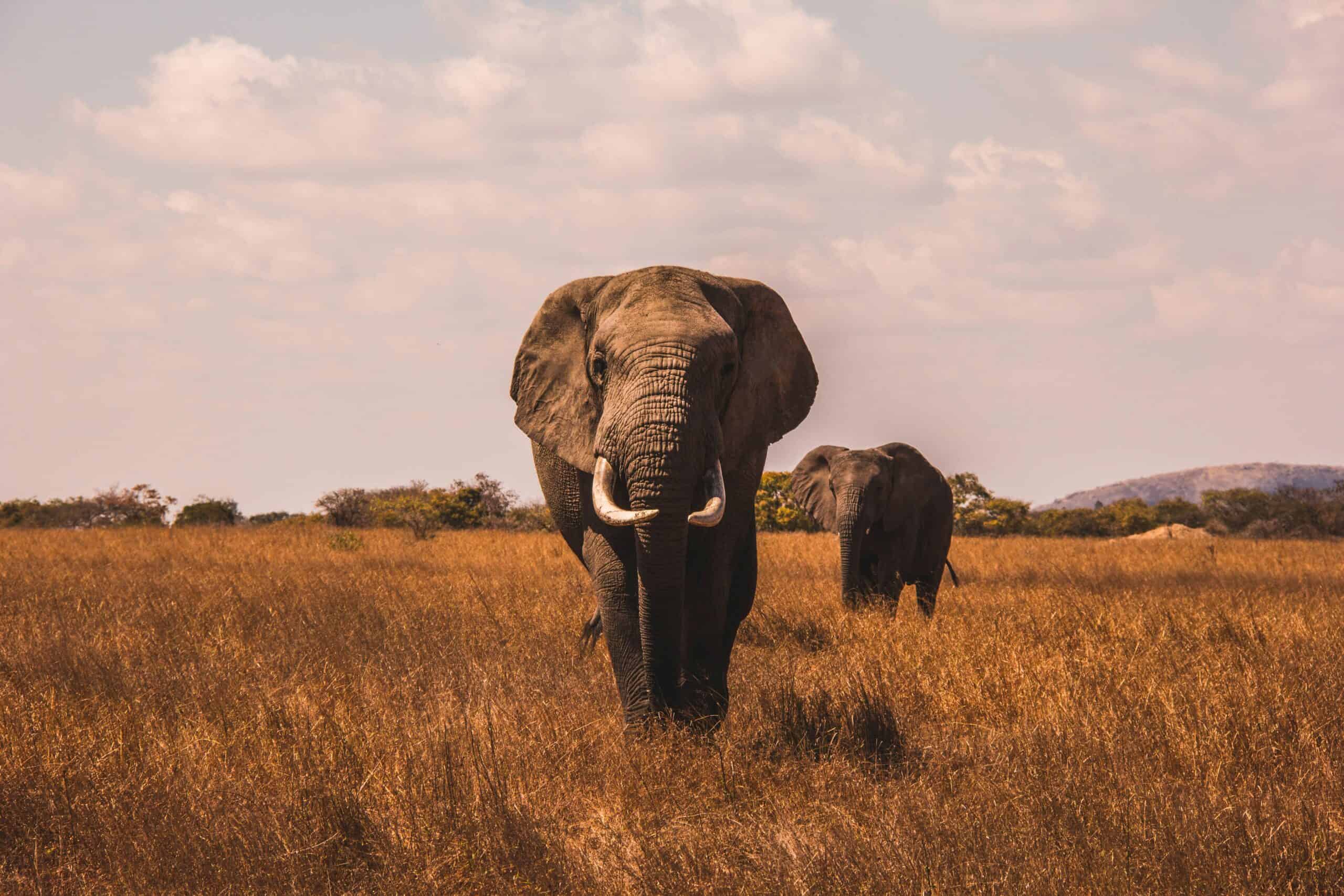
Most first-time clients arrive focused on the Big Five: lion, leopard, elephant, buffalo and rhino. All five are present in both the Serengeti and the Masai Mara, and a properly guided four or five night stay should produce sightings of most of them. That is a reasonable expectation.
But the clients who come back saying their safari exceeded everything they imagined are almost always those who stopped keeping score after the first day.
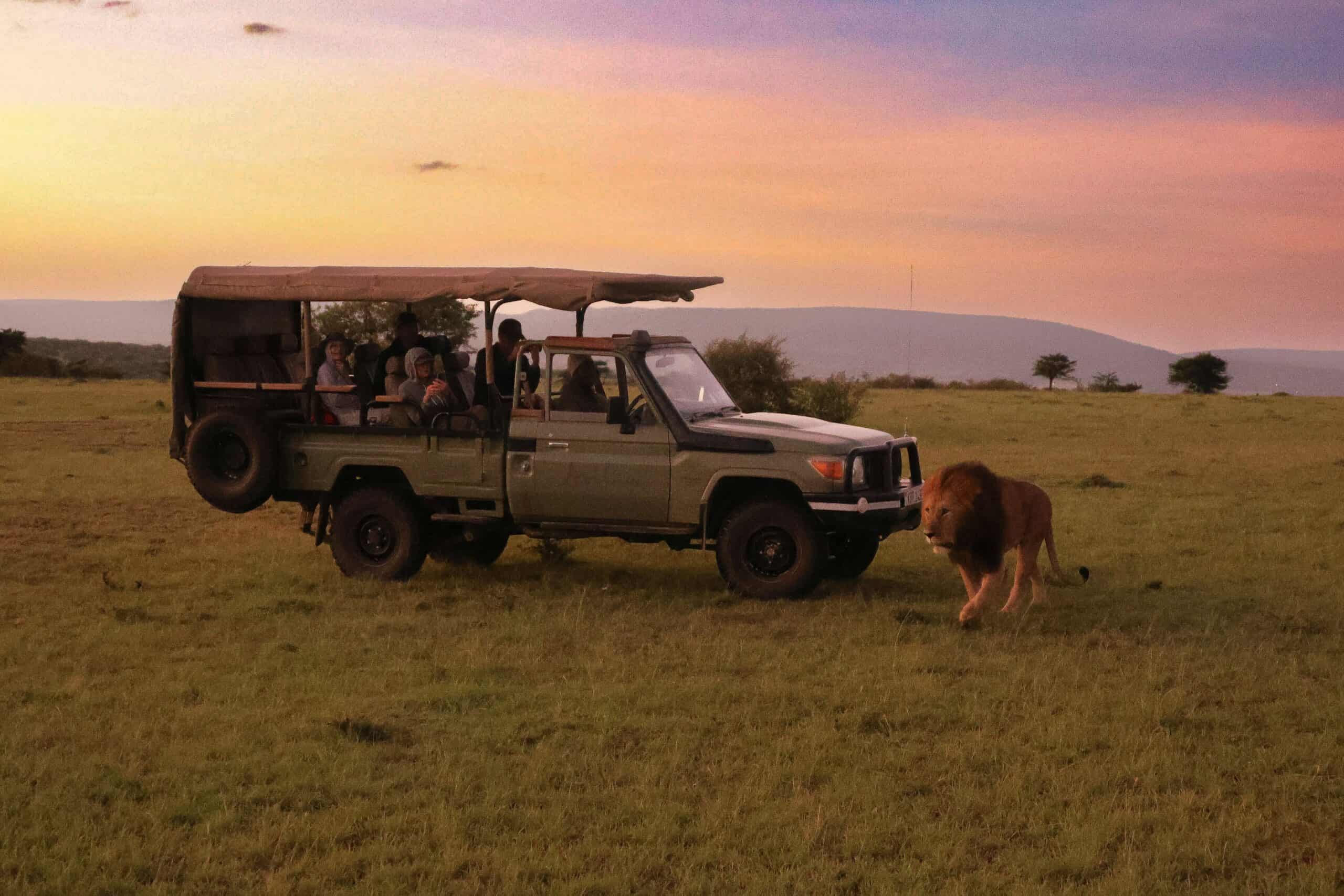
Watching a cheetah hunt from start to finish is not something you tick off a list. Hearing lions calling at two in the morning from inside your tent is not on any checklist. And the quality of a skilled guide’s explanation of what you are looking at, the social dynamics of a pride, the territorial behaviour of a male, the relationship between the oxpecker and the animal it rides, turns what you see into something you actually understand. That understanding is what you take home. It lasts longer than a photograph.
Sort your health preparation early.
Yellow fever vaccination requirements vary depending on your travel route and any countries you transit through. Do not assume that because your final destination does not require the certificate, you do not need one. Check the current requirements for your specific itinerary and make sure your certificate is correctly dated and in date.
Malaria prophylaxis is recommended for both Kenya and Tanzania. Get specific advice from your GP or a travel health clinic, because the right option depends on your health profile and the duration of your trip. Do not leave this until the week before departure.
Travel insurance for a safari needs to cover medical evacuation specifically. If something serious happens at a remote camp in the Serengeti, getting to a hospital requires a charter aircraft. The cost of that without insurance is significant. Make sure your policy is appropriate before you travel.
Book early. Especially for peak season.
The best camps in the Masai Mara conservancies and the northern Serengeti are small. Twelve tents is typical. Twelve tents at full occupancy is not many guests, and the camps that are genuinely exceptional, those with the strongest guiding teams and the best positioning for migration viewing, fill up twelve to eighteen months in advance for July to October travel.
If you have specific dates and a specific experience in mind, three months before departure is already late. We regularly have conversations with clients who have left it too long and found that what they wanted is simply not available. The earlier we talk, the more options you have.
—
For more information call us today on 01978 350850